
Northern & Central Mongolia - 8 Lakes – 13 days tour
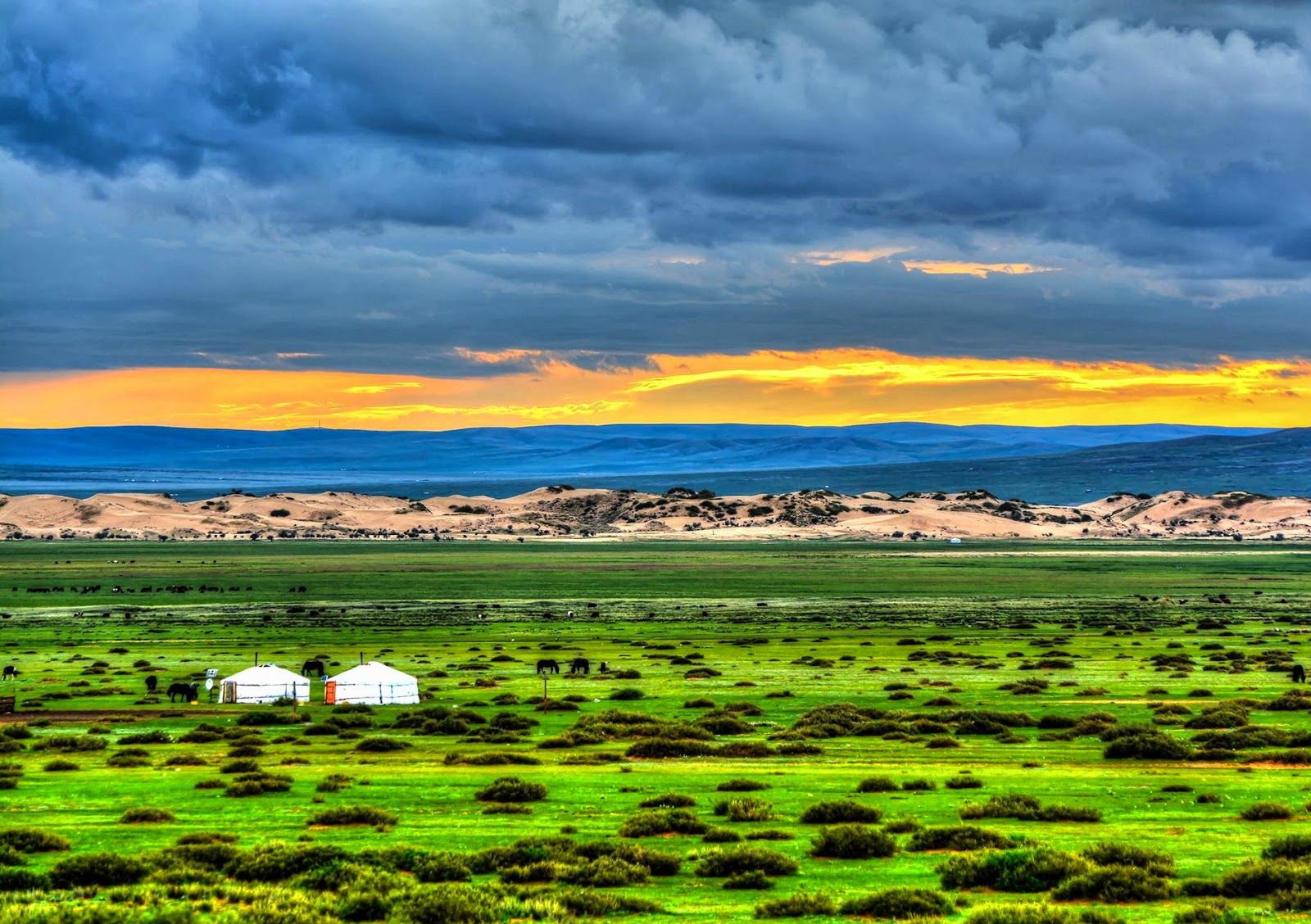
Let’s travel to the Northern Mongolia, across the secluded land of central Mongolia. A trip to the Northern offers you a real adventure with Darkhad ethnic group and gigantic blue lakes, rare flora and fauna into the magnificent landscape of the mysterious rocky hills. A trip to the Central Mongolia brings you to spectacular forested mountains, a hot spring, flower-covered valleys, famous cultural and historical sights, and beautiful protected areas with abundant wildlife. In the Central Mongolian region you will have opportunities to relax in colorful natural beauty, walk to the best overlook spots, experience Mongolia’s cultural heritages, enjoy visiting historical museums and temples, opportunities to ride two-humped camel, visit nomadic families, see the orange sunset. These adventures and more are included in this tour.
DOWNLOAD TOUR ITINERARY
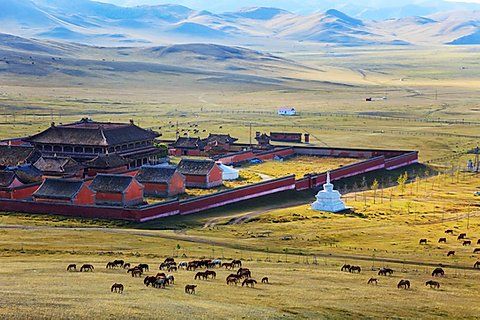
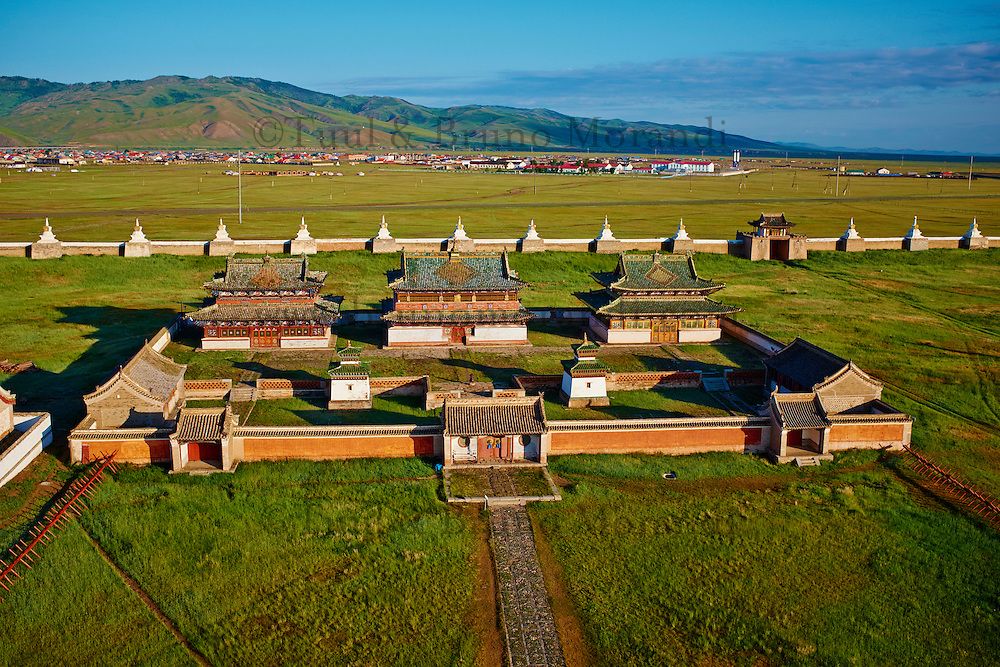
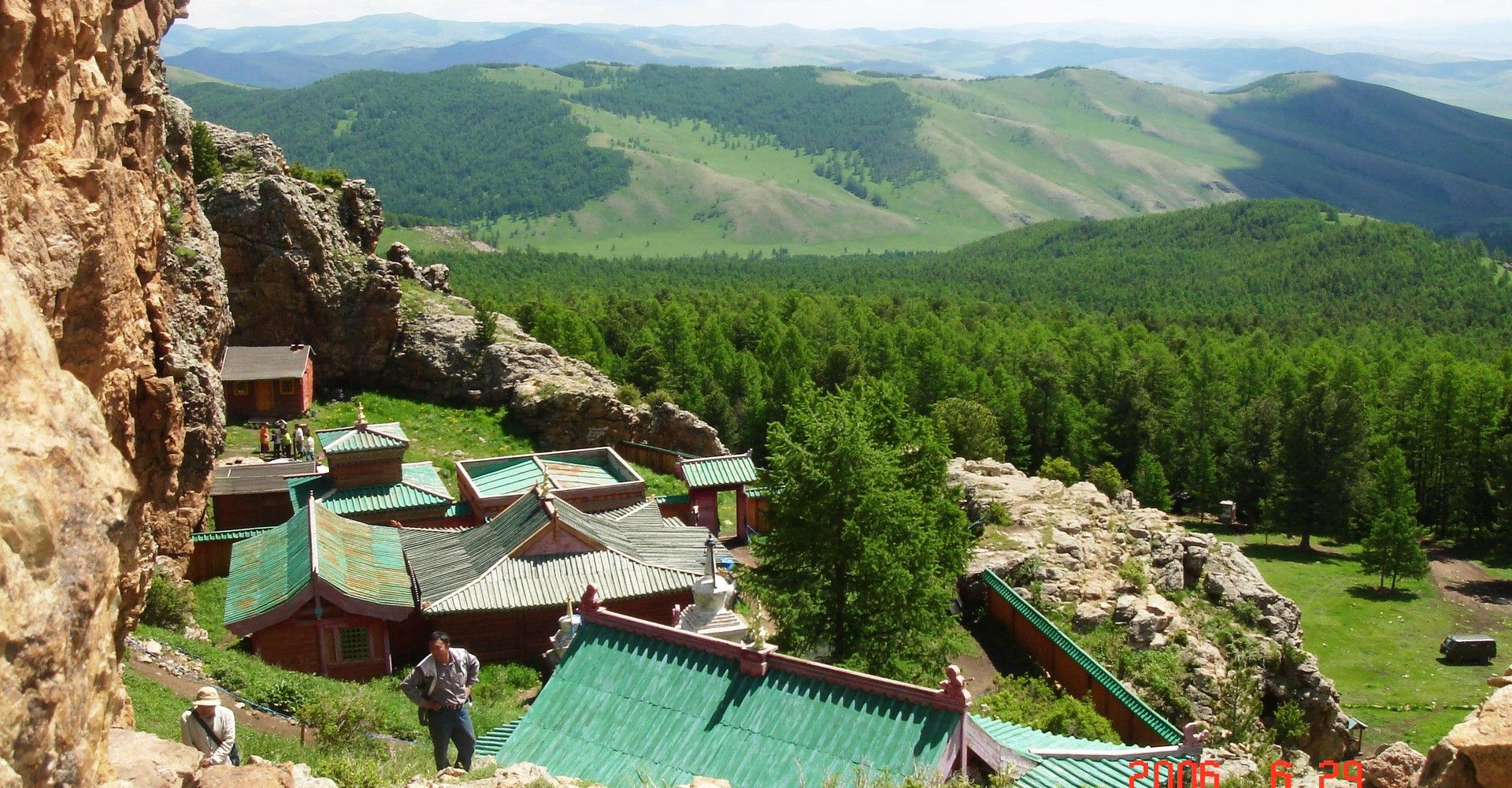
Amarbayasgalant Monastery is a well-preserved Buddhist monastery located in northern Mongolia's Selenge Province. It was built in the 18th century in honor of Zanabazar, a prominent religious figure in Mongolian history. The monastery's architectural beauty, serene surroundings, and religious significance make it a notable cultural and historical landmark in Mongolia. (Ger camp/ L, D)
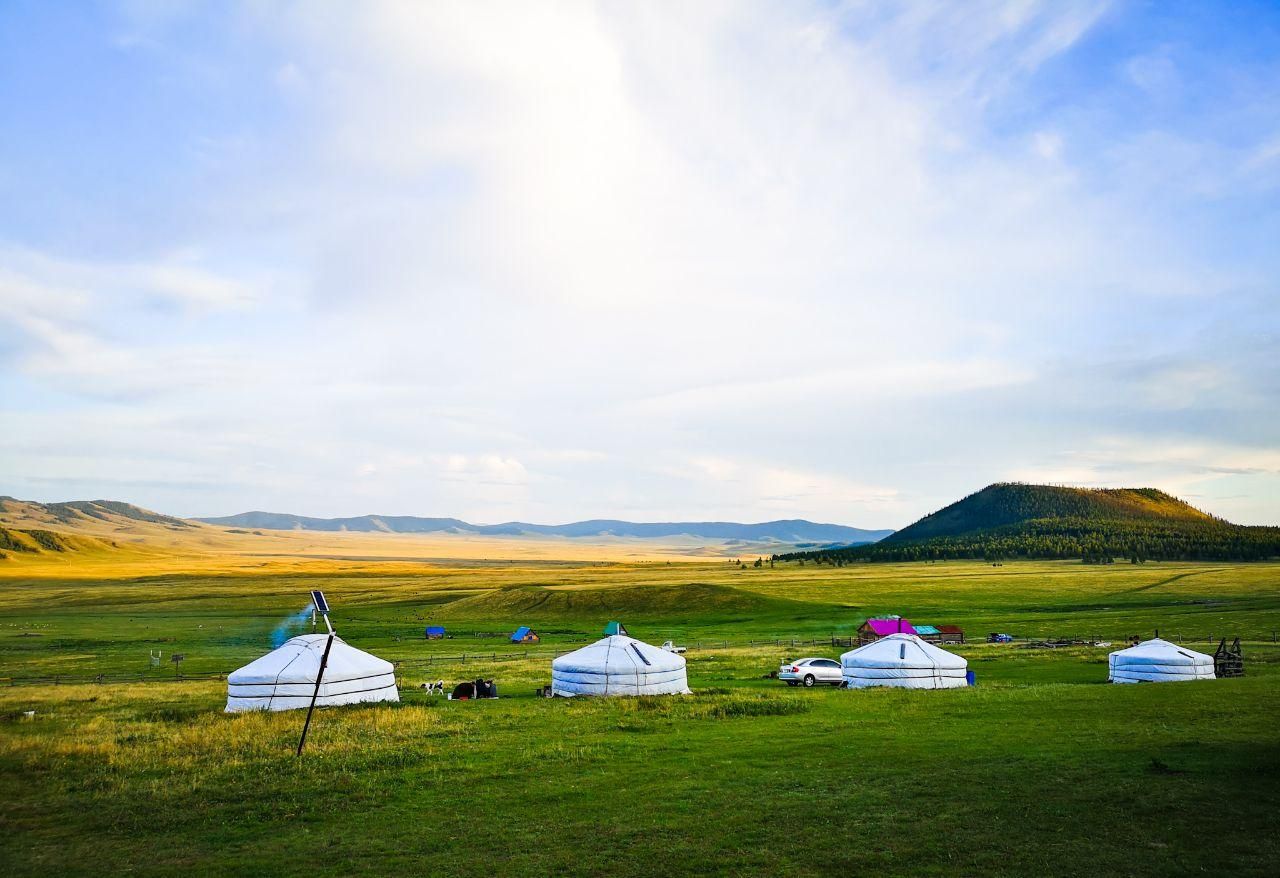
Urantogoo Volcano, also known as Uran-Togoo Uul, is a dormant volcanic mountain located in Bulgan Province, Mongolia. It is situated around 60 kilometers north of the town of Bulgan and is part of the Khangai Mountain range. The volcano's summit, at an elevation of approximately 3,800 meters (12,467 feet) above sea level, offers stunning panoramic views and attracts hikers and nature enthusiasts to explore its unique landscape and surrounding biodiversity. (Ger camp/ B, L, D)
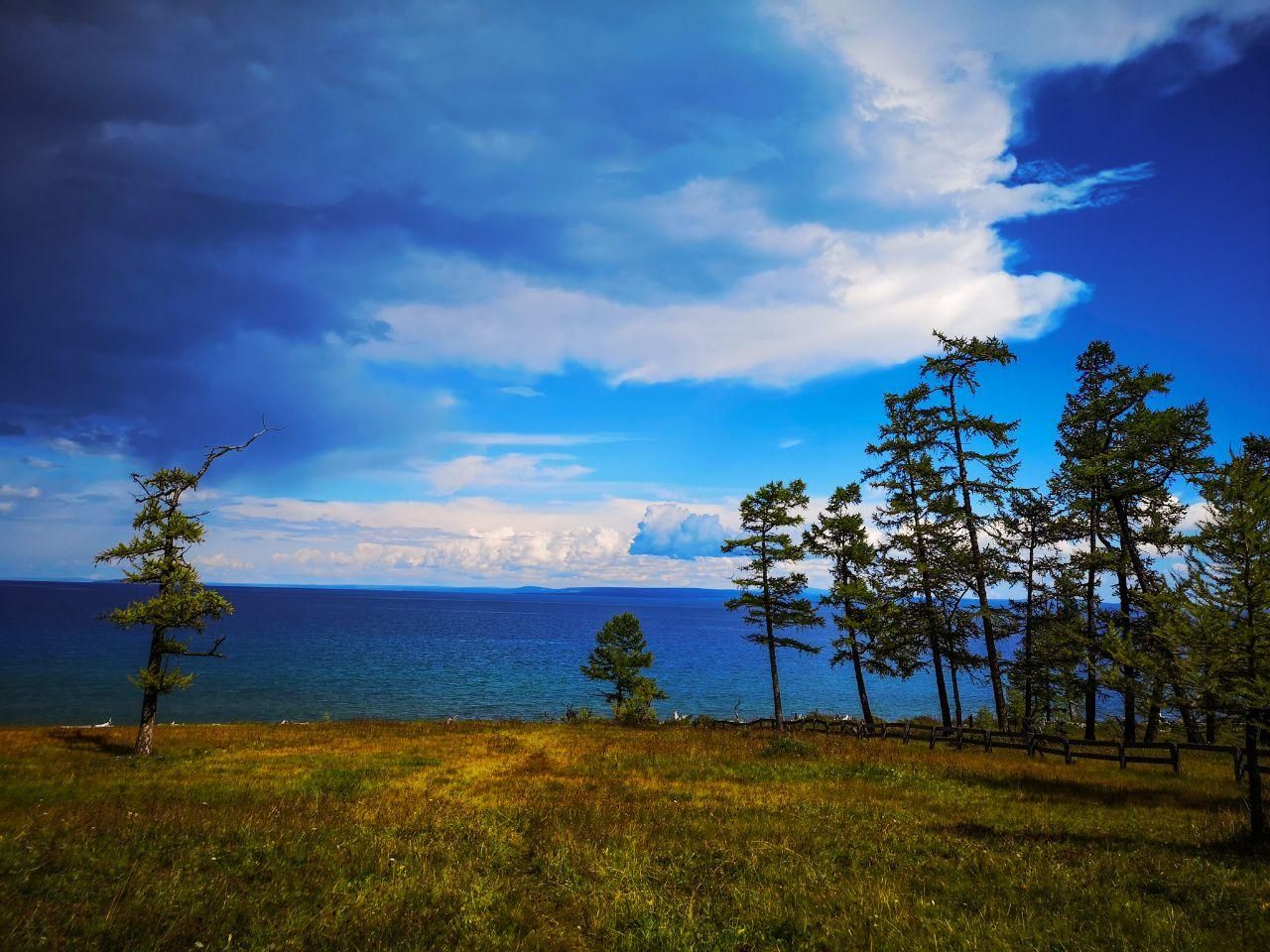
Lake Khuvsgul is located in the Jankhai region of Khuvsgul. It is the largest freshwater lake in Mongolia by volume. The lake holds almost 70% of Mongolian freshwater reserves and is drinkable without treatment. You can go on a boat ride on the calm waters of Khuvsgul lake to visit the island in the middle of the lake or trek the lakeside mountains. Khuvsgul is the most famous holiday destination for Mongolians and is one of the busiest tourist spots. Ger camp (B, L, D) Shower
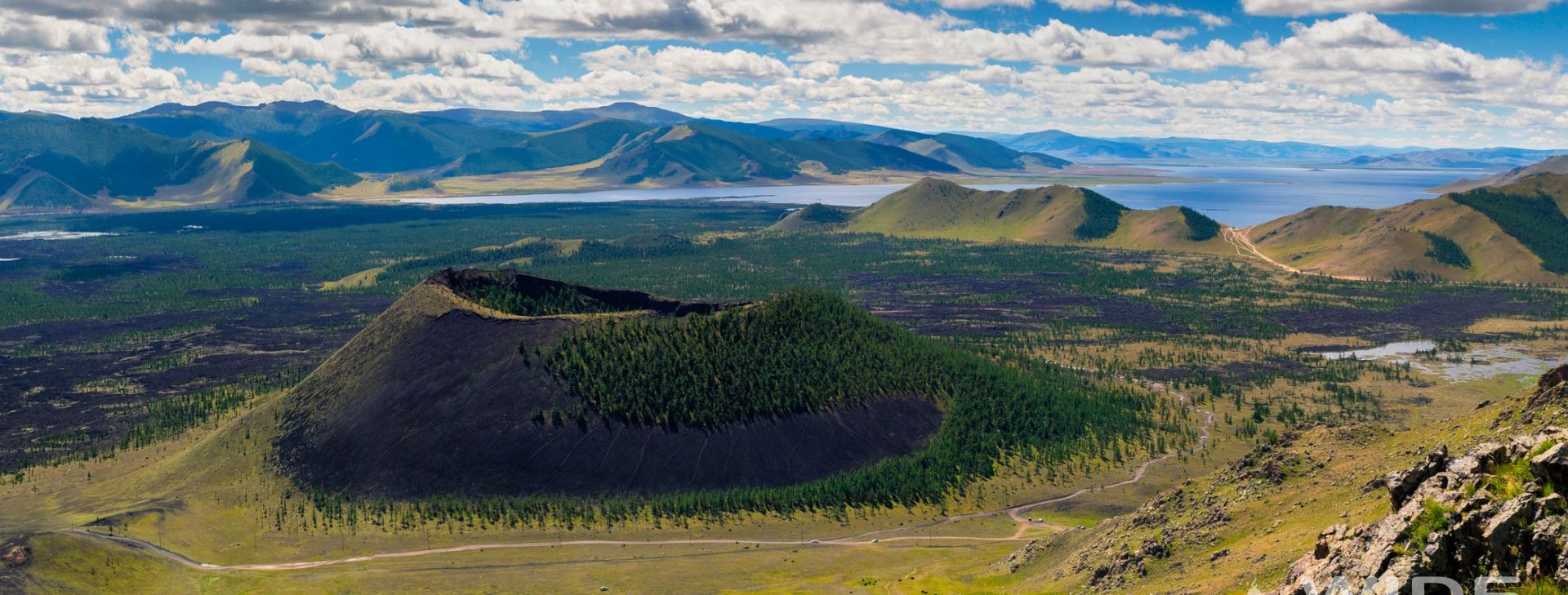
Today we will visit the attractions of the park: the Khorgo extinct volcano and Terkhiin tsagaan lake. Khorgo - Terkh National Park has been protected since 1965 and covers an area of 773 square km. Khorgo Mountain was an active volcano just 8000 years ago and Khorgo is covered with basalt. Red deer, Siberian deer, wild boar, reddish and black ducks are found in the park. The lake is beautiful with crystal clear fresh water and supports pike & other fish. Torrents of lava is suing from the Khorgo Volcano dammed the Terkh River in the north and south forming the lake and is at an altitude of 2060 meters above sea level. Enjoy walking/climbing to the Khorgo volcano and bird watching by the lake shore. (Ger camp/ B, L, D)
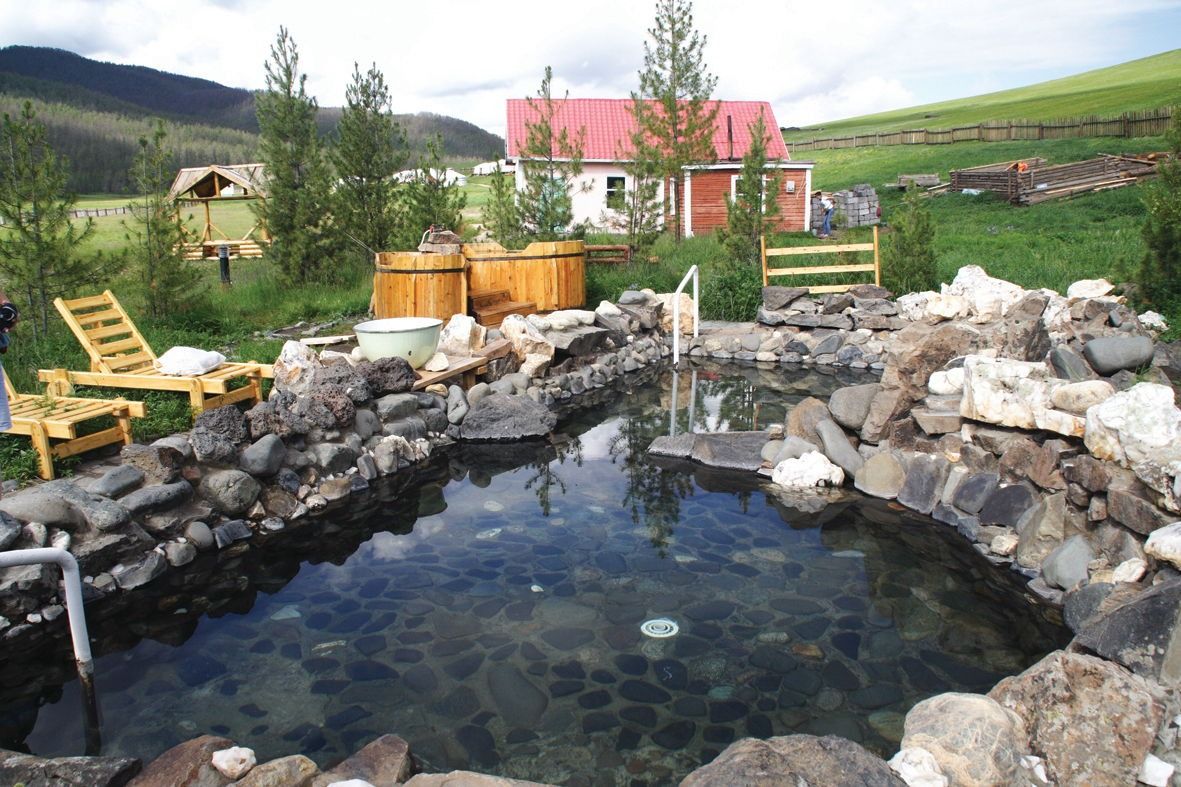
After that we will drive to the "Tsenkher" Hot Springs which is located in Arkhangai province and famous for its many old volcanoes. The presence of these old volcanoes explains the natural hot water source and the water flows all year round with temperatures up to 85 C or 185 F. If that sounds too hot, don’t worry. These areas have been set up with less hot temperatures for visitors to relax and enjoy the natural air in the hot springs. Many travelers claim its healing properties and some just enjoy the comfort of the hot waters. Tourist Ger camp (B, L, D) Shower
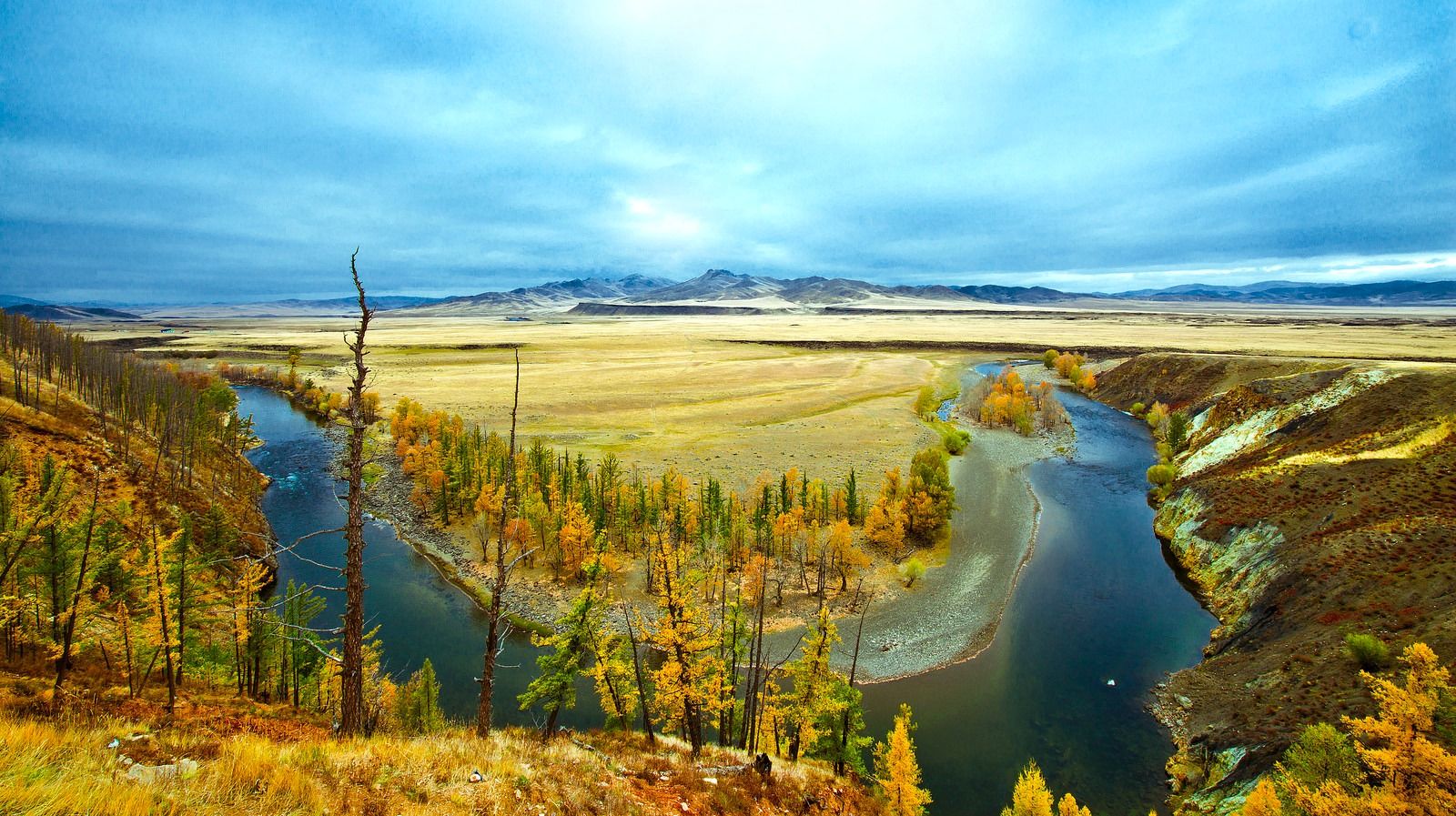
Ulaan Tsutgalan “Waterfall” which is located in Orkhon Valley is on Ulaan River which flows through basalt rocks formed by a unique combination of volcanic eruptions and earthquakes around 20000 years ago. Ulaan Tsutgalan Waterfall cascades from a height of 20 meters and is naturally most impressive. You can do walking in the beautiful green valley.
(Ger camp/ B.L.D)
It is on the way of the 8 lakes. Tent (B, L, D)
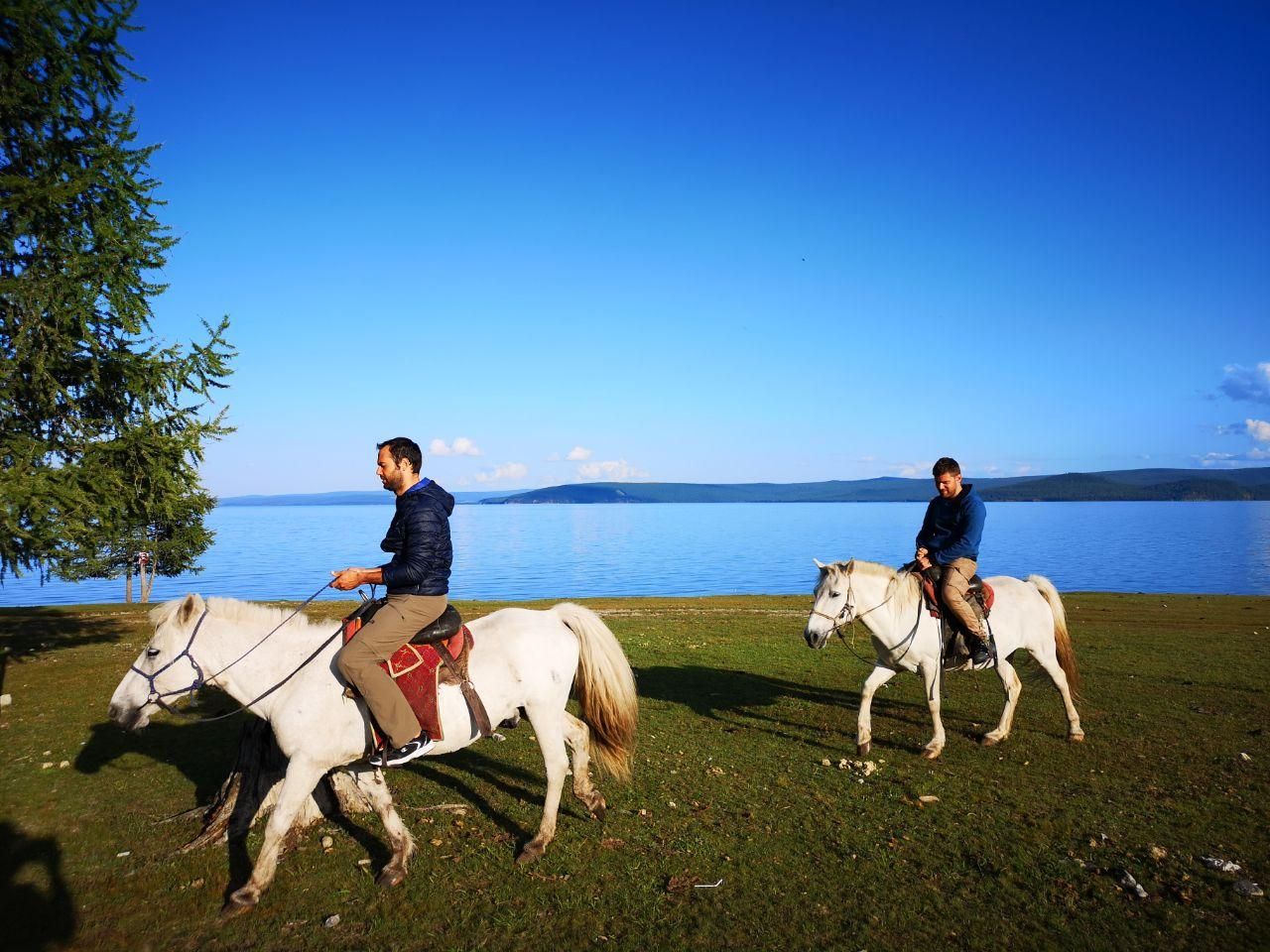
The Khuisiin Naiman Nuur or Eight Lakes were formed by volcanic eruptions centuries ago and are a part of the 11500 hectares Khuisiin Naiman Nuur Nature Reserve. These scenic lakes are accessible on horseback or hiking from the northern side. The Eight Lakes are called Shireet, Mukhar, Khaliut, Bugat, Khaya, Duruu, Khuis, and Onon located 500 m to 3 km to each other.
The area extremely beautiful surrounded by coniferous tree-covered mountains and the forest clearings have multitudes of wildflowers, is a famous horse-riding destination in central Mongolia. Shireet is the largest among the Eight Lakes. Tent (B, L, D)
You will back to the horseman family near by Waterfall. Ger camp (B, L, D)
After breakfast we will drive east to beautiful Elsen Tasarkhai Sand Dunes. On the way we will visit to the Kharkhorin. Karakorum was the capital of Great Mongolian Empire of Chinggis Khan in the 13-14th Centuries. Visit one of Mongolia’s two largest monasteries, “Erdenezuu”, Museum of Karakorum and surrounding sites of Karakorum: the Great Khan’s monument, the legendary Turtle of Karakorum and the Phallic Rock statue. Erdenezuu Monastery has a complex of 108 stupas and over 10 temples that contain rich displays of Mongolian Buddhism. The Erdenezuu Monastery and ruins of Karakorum were registered as UNESCO World Heritage Sites in 1996.
Continue driving to the Elsen Tasarkhai Sand Dunes. The Elsen Tasarkhai Sand Dunes is one of the most picturesque places of Mongolia and is part of the 80 km long Mongol Els Sand Dunes. This place is a wonderful combination of pretty sand dunes, majestic granite mountains, grassy green land, a clear fresh spring and a tiny lake. Indeed, here you can enjoy seeing the combination of Gobi and Khangai Natural Zones. We will visit local nomadic family, do camel riding to the sand dunes and enjoy walking and climbing on the sand dunes. (Ger camp/B, L, D)
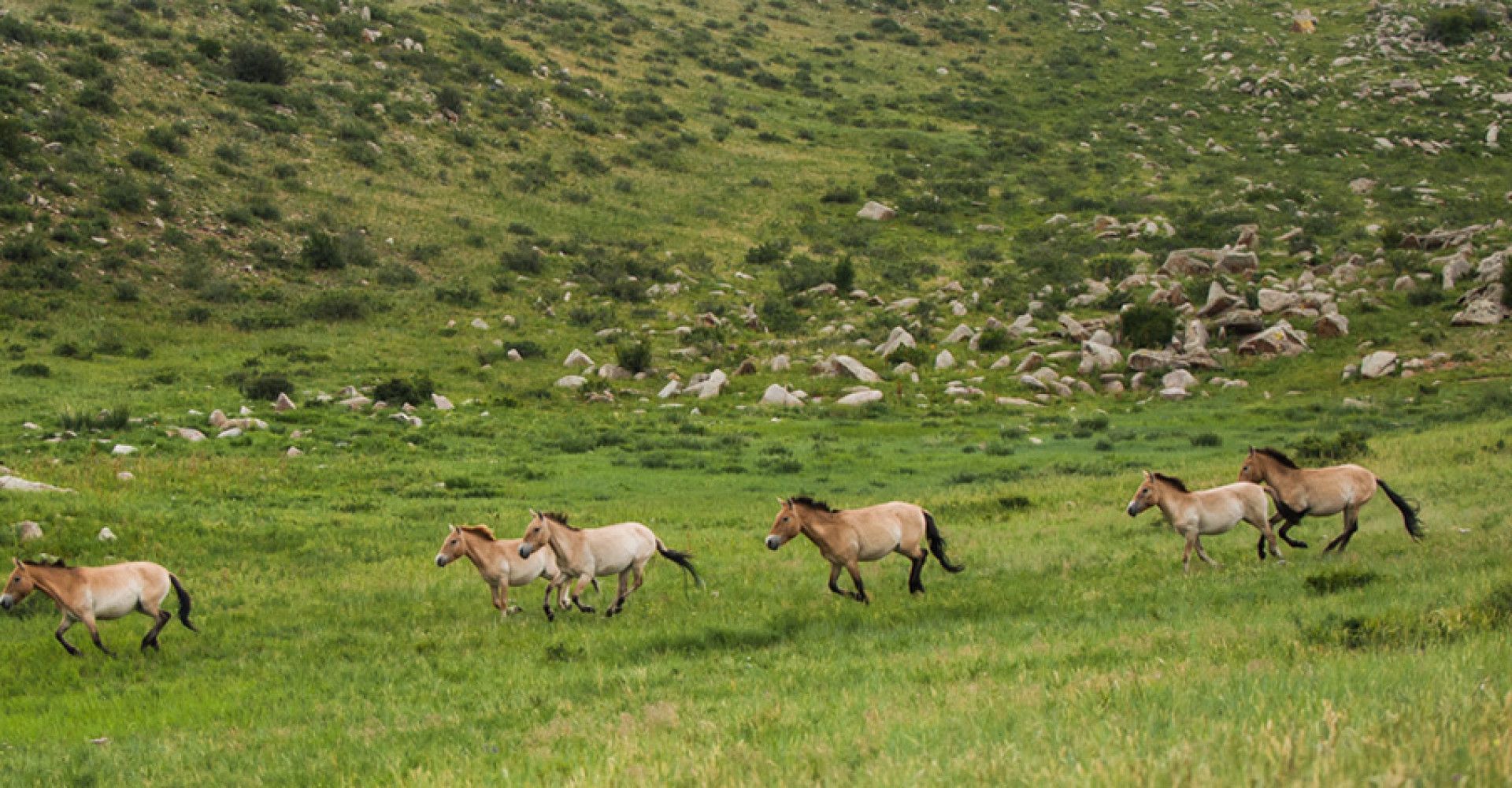
Today we will visit the Khustai NP. Khustai National Park is located in Altanbulag Sum, Tuv Province. Khustai has 506 square km area and was established in 1993. The park protects the wild horse “Takhi”, also known as Przewalski’s wild horse in the world, and a bio-diversity of other rare wild animals and plants. The quantity of various ecosystems within the park assures an abundance of wildlife. We will visit a small museum of the Takhi and learn about the park and wild horse Takhi. Watch a short documentary film about Khustai National Park, Przewalski’s wild horse and Takhi re-introduction project. Continue driving back to Ulaanbaatar. (B. L)
Included in the price:
- Experienced driver and car with fuel
- Accommodation during the trip
- Entrance fees for the museums & National Park
- All meals during the trip
- Drinking water
- Hot SPA
- Horse and Camel riding /optional/
Excluded in the price:
Alcoholic drinksSnacksPersonal itemsExtra and optional activities’ costTravel insuranceInternational Airfare/train ticketAccommodation in Ulaanbaatar